What Is Ketamine Therapy? Benefits, Risks, and How It Works
Ketamine-assisted psychotherapy (KAP) is an emerging mental health treatment that combines low-dose ketamine with therapy to help individuals with depression, anxiety, and post-traumatic stress disorder (PTSD).
Unlike traditional medications that are taken daily and can take weeks to months to have an impact, ketamine works rapidly, often producing noticeable improvements in mood within hours or days. One of the ways it does this is by increasing neuroplasticity, allowing the brain to form new connections and process difficult thoughts and emotions more effectively.
Effects of Ketamine
Ketamine produces a short altered state of consciousness that may include:
- A sense of detachment from habitual thoughts
- Increased emotional insight
- Improved mood or perspective
These effects typically last 45–60 minutes, but the therapeutic benefits may continue for days or weeks afterward.
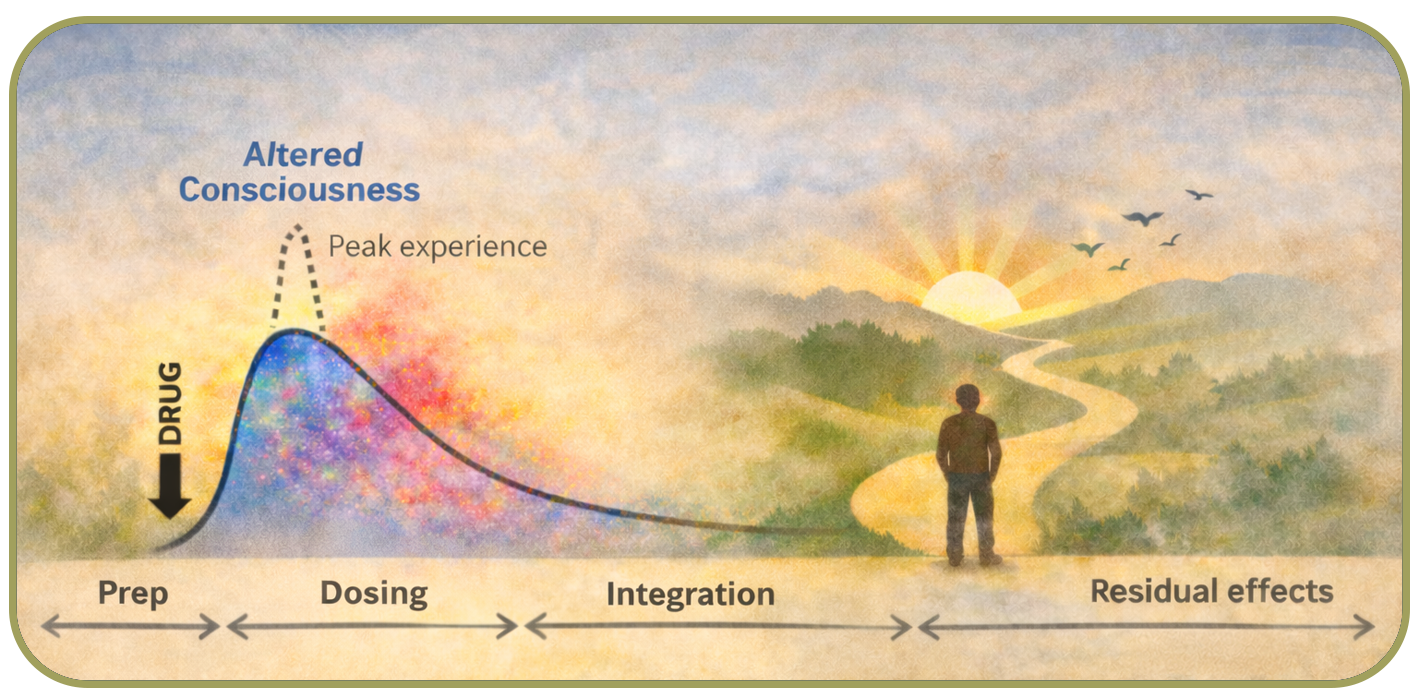
This experience is thought to open a biological "window of neuroplasticity," where the brain becomes more receptive to growth and connectivity. This helps promote rapid improvements in mood, cognition, and behavior.
How Does Ketamine Therapy Work?
Ketamine primarily works by blocking NMDA receptors in the brain, which play a role in mood regulation and neural communication.
This action triggers:
- Increased glutamate activity
- Enhanced brain connectivity
- A temporary “window of neuroplasticity”
During this window, patient-centered psychotherapy can leverage the drug's neuroplastic effects to deepen insights, reshape thought patterns, and overcome limiting behaviors.
Ketamine Therapy vs. Other Treatments
Compared to traditional antidepressants, ketamine therapy:
- Works faster (hours vs. weeks)
- May help treatment-resistant cases
Compared to IV ketamine or Spravato, ketamine therapy:
- Includes therapy with a licensed psychotherapist
- Offers high bioavailability while still offering mobility
- Focuses on long-term behavioral change, not just symptom relief
Frequently Asked Questions
How quickly does ketamine therapy work?
Many patients report improvement within hours to days after their first session.
How long do the effects last?
Effects vary, but benefits can last days to weeks. Integrated psychotherapy may help lengthen the effects by supporting behavioral change between treatments.
Is ketamine addictive?
In clinical settings with medical supervision, the risk is low. At PSI’s TRIP Clinics, ketamine is administered in office under supervision of licensed health care professionals with advanced expertise in psychedelic medicine and therapy.
How many sessions are needed?
PSI’s KAP protocol begins with a 90-minute intake assessment, followed by an initial series of 2 one-hour KAP sessions per week for 4 weeks. Additional maintenance sessions between 2-12 times per year may be needed after completion of the initial series.
Start Your Ketamine Therapy Journey
If you’re exploring new options for depression, anxiety, or PTSD, ketamine-assisted psychotherapy may offer a different path forward.
Schedule a consultation with a treatment team specializing in psychedelic medicine at one of the TRIP Clinics at Psychedelic Science Institute.